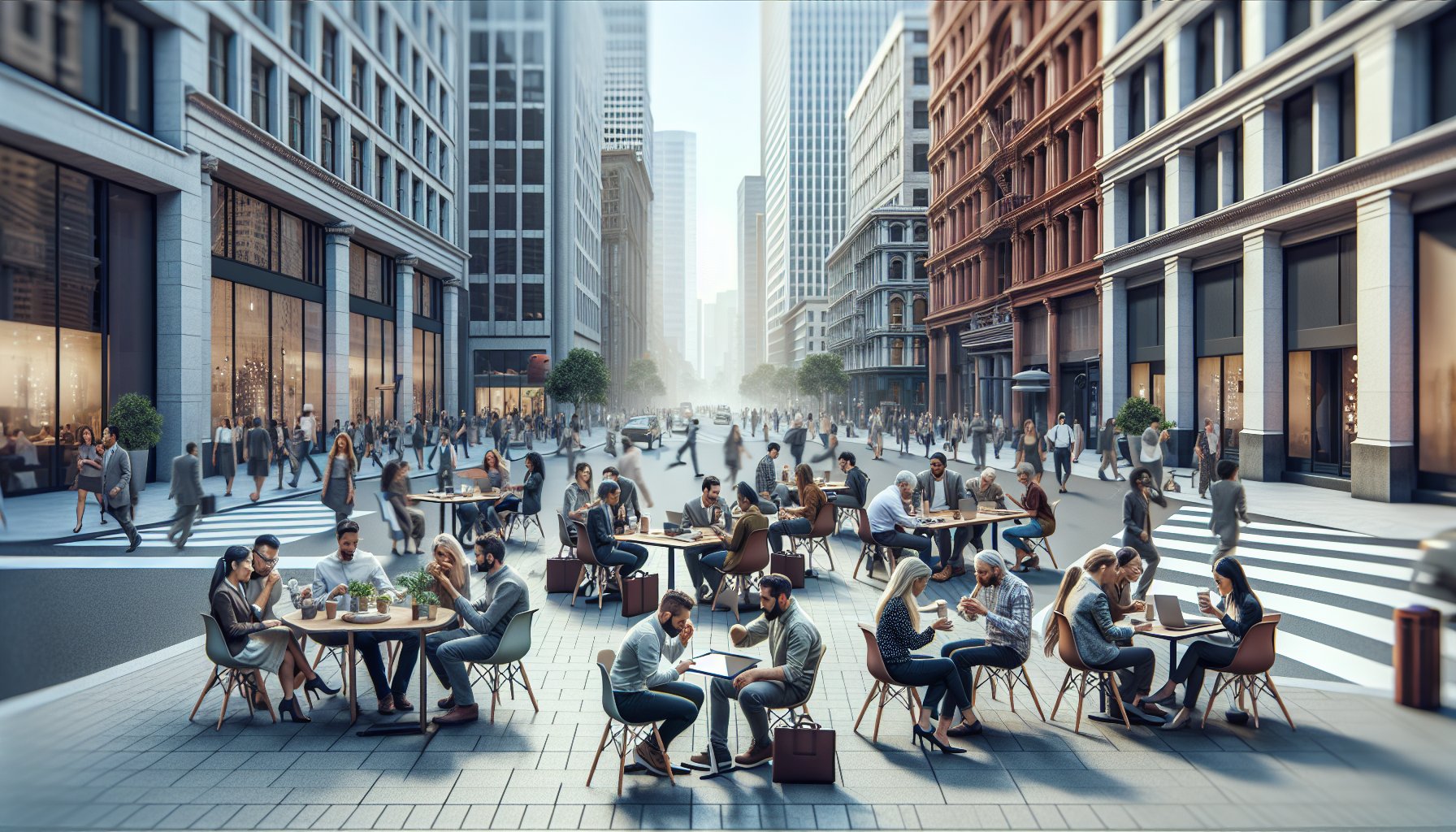
Real estate is not just about square meters; it is a whole ecosystem that reflects the economic, social, and cultural changes in society. In recent years, the real estate market has undergone significant changes driven by both global and local factors. One of the key trends has been the shift in buyers' interest towards suburban properties. The COVID-19 pandemic has altered people's lifestyles, leading many to seek housing away from the noisy metropolises.
The demand for apartments in large cities remains high, but there is a clear trend towards increasing interest in houses and plots in suburban areas. This is linked to the desire for more space and comfortable living and working conditions. Additionally, the development of remote technologies allows people to work from anywhere, making suburban housing more attractive.
However, the real estate market also faces certain challenges. One of these is the rising housing prices, which sometimes outpace the income levels of the population. This creates problems for young families and first-time buyers who are eager to purchase their first home. In some regions, there is a shortage of affordable housing, which requires the government to take more active steps in housing policy.
From an investment perspective, real estate remains one of the most reliable assets. However, potential investors should carefully analyze the market and consider changes in legislation, taxes, and the economic situation in the country. It is important to remember that successful investments in real estate require not only knowledge but also the ability to anticipate trends.
Overall, the real estate market continues to evolve, providing new opportunities and challenges. To stay afloat, both buyers and investors must be flexible, adapt to changes, and thoroughly analyze their decisions. The time when real estate was simply an investment has passed; now it is a strategic asset that requires a careful approach.